


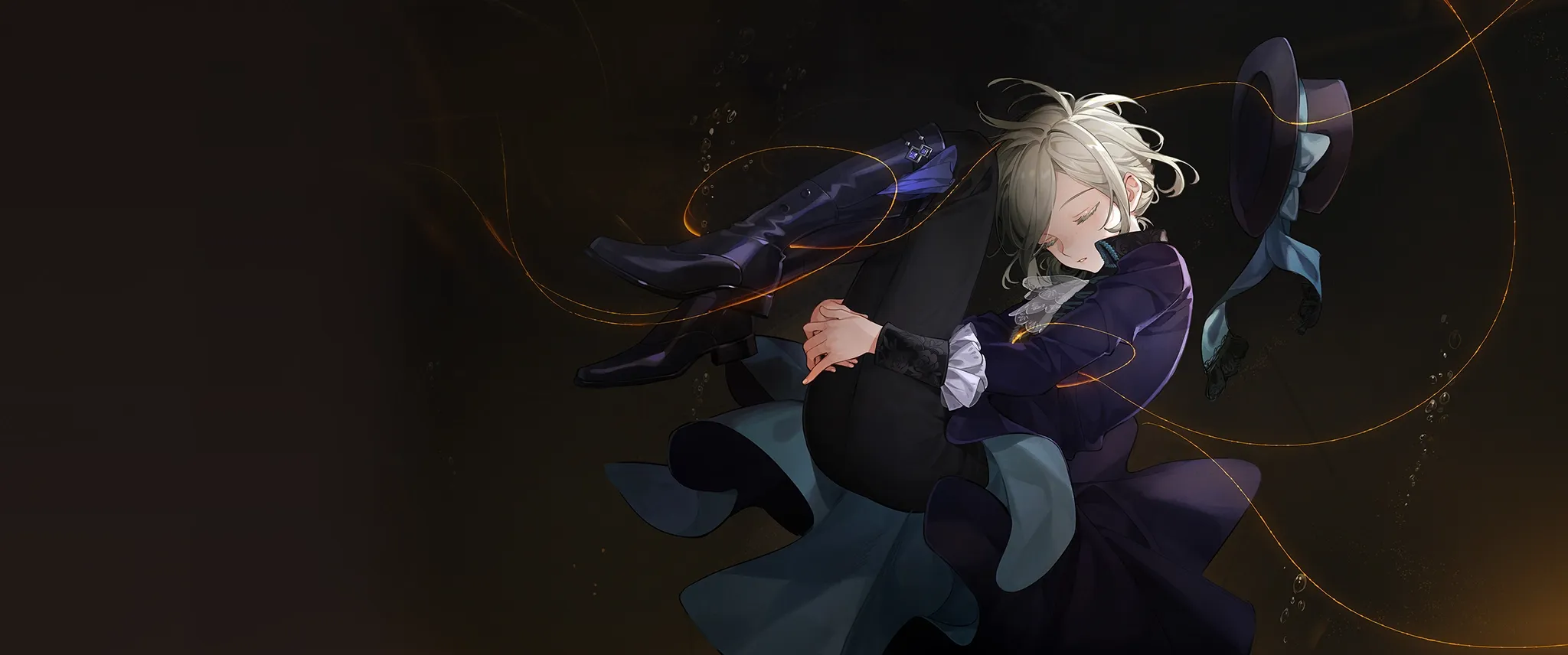
Journalist: It's so ... desolate.
Journalist: Compared to this place, Tobolsk is like the Leningrad of Siberia.
Journalist: There must be a bounty of untapped resources here.
Sailor: I'd be more focused on finding a place to stay if I were you.
Journalist: In what direction is the nearest town? How far is it?
Sailor: Town? There's nothing but prisons here, lad.
Journalist: ... Prisons?
Sailor: You heard me. Not even a pigeon would stop to crap in this cesspit.
Journalist: So, where are these prisons?
Sailor: You're in one, mate.
Journalist: Ha! I get it. You're messing with me.
Sailor: Tsk. You came all this way, and you don't even know a single thing about this place. You're dead meat.
Journalist: I just came here to investigate ...
Sailor: Head south. Or buy another ticket and come back with us. That's my suggestion.
Journalist: I ... can't.
Journalist: When will your ship come back again?
Sailor: Side barges are centrally managed ... It could be 15 days. Maybe longer.
Sailor: Until then, do your best to stay alive.
"The government journalist discovered the poems and stories while searching for shelter."
"They were written on pieces of wood, stones, and scattered parchment."
"Ecstatic at his discovery, the journalist set out to identify the author and collect them all."
Sonetto: Mr. Зима ... doesn't seem like someone who could handle something like that.
Journalist: If it weren't for these stone-paved roads, I swear, I would have marked this place as a "no man's land."
In an opening not far away, crude shacks, some empty or collapsed, stretch out like long scars torn into the earth.
At the center lies an extinguished campfire.
Journalist: What about those people who were exiled about a decade ago? Did they all escape?
Journalist: In those surviving records, the end of the exile policy ...
Journalist: But ... anyone who found themselves in this environment must have constantly thought of escaping.
Journalist: Forget it. I'll look for traces of life first. Maybe I'll find ...
Journalist: Huh? The fire. It's still warm.
Journalist: Is this ...?
Half-burned parchment is scattered around the campfire in a scene of attempted destruction. He picks up one sheet.
Journalist: ... Parchment paper with poetry on it and a still-smoldering campfire!
Journalist: Someone is definitely here!
Journalist: Who could it be? Who would write poetry in a place like this?
It is an amazing discovery. The next occurrence, however, is even more surprising.
A bird swoops over and snatches the parchment from his hand like an eagle plucking a fish from the ocean.
Journalist: ... Hey!
Journalist: That's mine! I found it! You nasty little thing!
Journalist: Give it back!
Humans who neglect to exercise are no match for wild animals.
What this human now faces is a primitive yet most difficult-to-resist ambush.
Primitive, but efficient. It is orderly and prepared.
Journalist: What's going on!?
Journalist: How are there so many ...!?
The birds, dedicated to driving off the intruder, give him no answer.
Bird: chirps
Journalist: P-please, let go of my clothes!
Journalist: Where are you taking me?
Journalist: The parchment!? I don't want the parchment! Give me back my notebook ...
Journalist: No! That's the brooch my mother left me!
In such chaos, opportunities are fleeting.
He must grab it and take back what is his!
Bird: Chirp.
Journalist: You!
Journalist: Give it to me ... Let go!
This sudden surge of resistance deters the birds for a few seconds.
There is a brief pause in their attack. Then, a figure leisurely steps out of the woods.
???: …
???: Please ... ahem ... s-stop.
???: ... sigh.
???: Sorry ...
???: ... about ... your mother's brooch ...